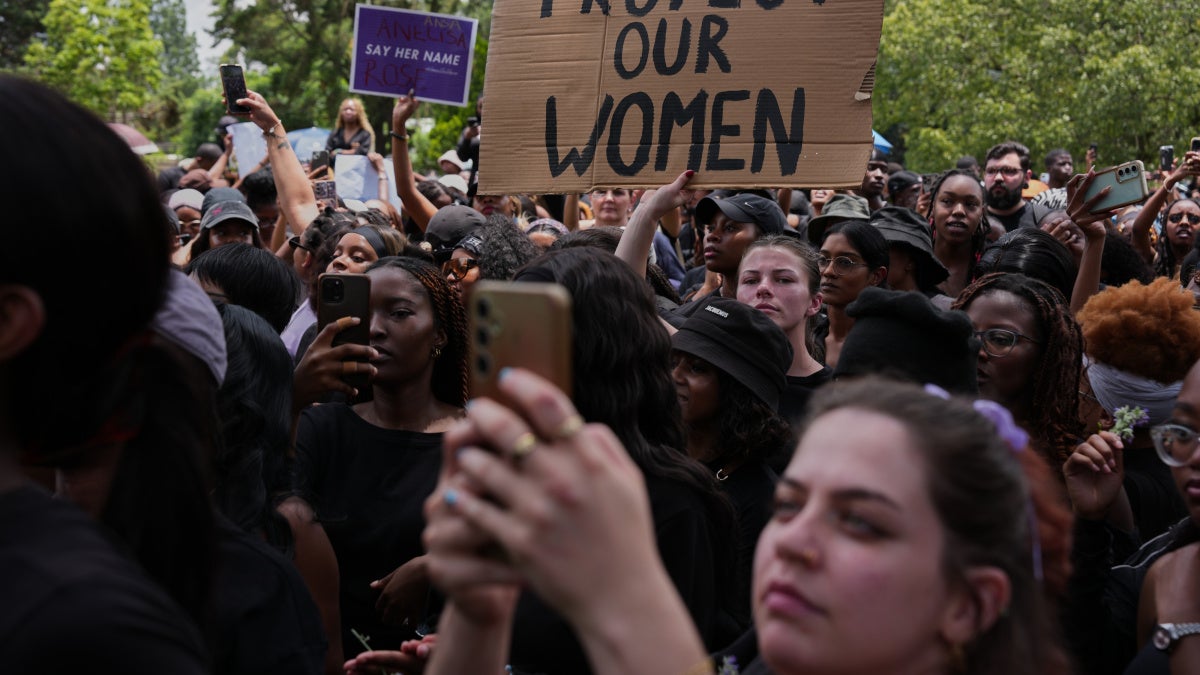
Participants hold signs during a gender-based violence protest at the forecourt of the botanical gardens in Johannesburg, SouthAfrica, November 21, 2025.
At South Africa’s National Women’s Day commemoration on August 9, President Cyril Ramaphosa spoke, among other things, about the Taliban’s systematic oppression of women and girls in Afghanistan. Standing alongside him, Malala Yousafzai urged governments to recognize this system for what Afghan women have long called it: gender apartheid.
“South Africans know what it means when the law is used to determine where people may go, what they may learn, what work they may do and what place they may occupy in society,” Ramaphosa said.
For South Africans, that comparison carries particular weight—because of its history with apartheid, the nation speaks with particular authority when calling for dismantling of systems of domination when they appear elsewhere. President Ramaphosa recognized this in his speech, saying South Africa has a “duty to stand in solidarity with victims of sexism and gender apartheid, wherever they are.”
Human Rights Watch has documented how the Taliban have systematically stripped women and girls of their rights, including by banning girls from education beyond sixth grade and severely restricting women’s employment, movement, and participation in public life. These abuses amount to the crime against humanity of gender persecution. The International Criminal Court has already issued two arrest warrants for senior Taliban leaders on charges of gender persecution; United Nations experts and Afghan women’s rights defenders have described the situation as gender apartheid.
Afghan women have also been leading the fight to have gender apartheid recognized in international law, and for its inclusion with the existing crime of apartheid on grounds of race, in a new international treaty on crimes


