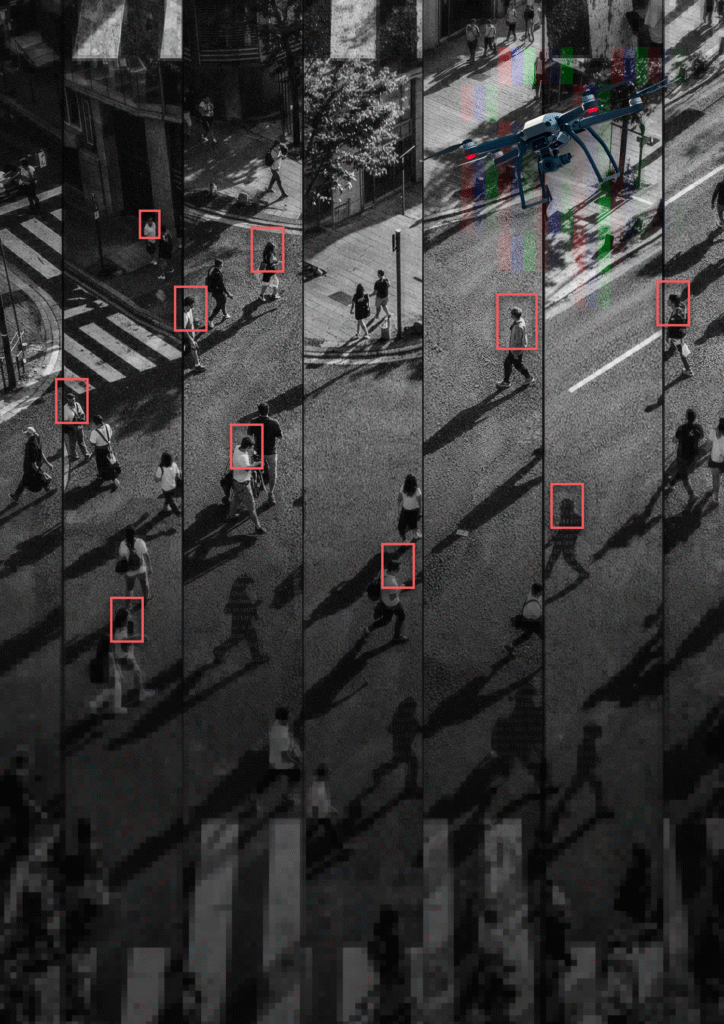
The expanded use of surveillance technologies in Argentina during the first two years of the Javier Milei’s administration has served to expand states surveillance capabilities, profiling and reprisals in the country, creating a chilling effect on rights to privacy and freedom of expression, peaceful assembly and association, Amnesty International said in a new report today.
The report,
Sensing the Surveillance State
,
documents how the government implemented sweeping institutional reforms to expand its intelligence capabilities and therefore surveillance mechanisms, through executive decrees and resolutions. Between 2024-2025, it also acquired technologies worth at least US$1.2 million, including social media monitoring tools, facial recognition, and aerial surveillance tools. Together, these policies and technologies amount to a system of mass surveillance.
“Pervasive surveillance is being used against Argentinians in both physical and digital spaces, to devastating effect. These technologies have become an integral part of the infrastructure of state control, targeting dissent, deterring protest movements, and harassing marginalized groups, among other authoritarian practices,” said Paola Garcia Ray, Deputy Director, Amnesty International Argentina.
“When powerful people don’t want accountability, they attack those who ask questions and use whatever is at their disposal to monitor, control and repress.”
The report is based on interviews with 21 people including journalists, activists, pensioners, young people and human rights defenders; analysis of scores of procurement documents and data related to acquired surveillance technologies; and information obtained through freedom of information (FOI) requests.
An expanding surveillance infrastructure
The Argentinian government has procured various surveillance technologies, including open-source intelligence platforms designed for the collection, cross-checking and visualization of large volumes o
… [more]

