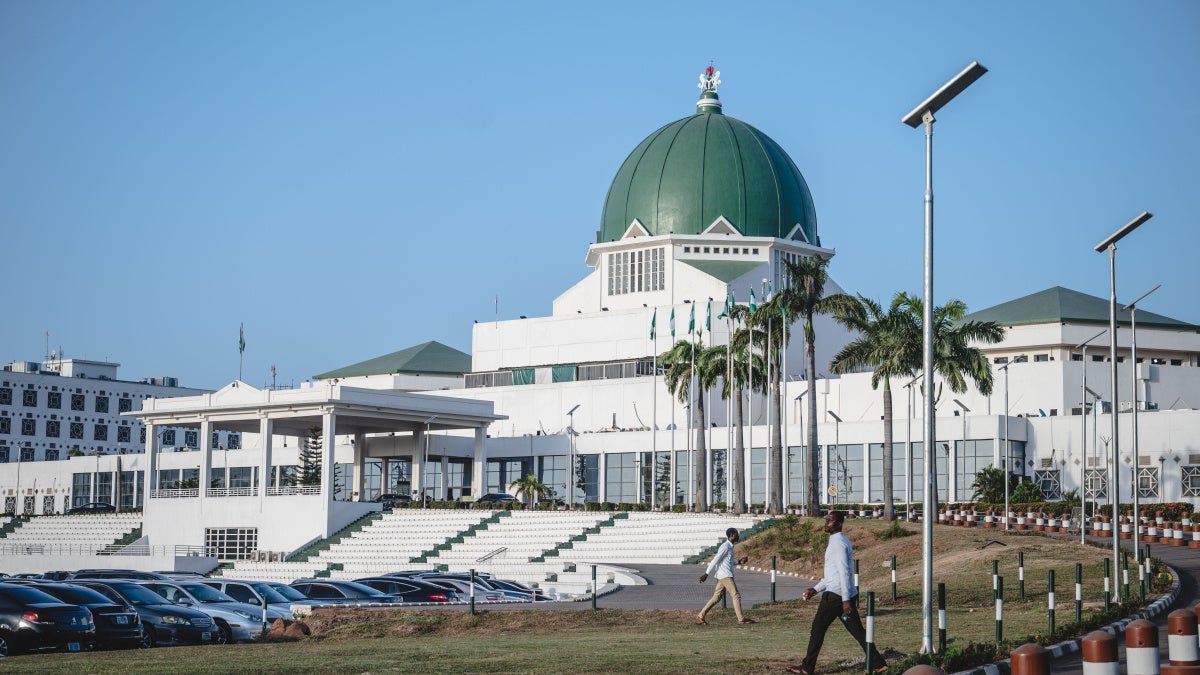
The National Assembly Complex in Abuja, Nigeria, November 26, 2024.
(Abuja) – A proposed law to regulate foreign aid risks undermining the independence of civil society organizations and shrinking civic space in Nigeria, Human Rights Watch said today. The National Assembly should reject provisions that would give authorities undue influence over the funding and activities of independent organizations.
In May 2026, the Senate introduced the Foreign Aid (Regulation, Transparency and Disclosure) Bill, which seeks to regulate the use of foreign aid, grants, and donations in Nigeria. The bill would establish a regulatory commission to oversee foreign aid. The bill says its intention is to promote transparency and accountability, align aid with national development priorities, prevent the misuse and duplication of projects, and improve public access to information about foreign-funded activities.
“Independence is essential to the work of civil society organizations working to scrutinize government actions, expose wrongdoing, hold those in power accountable, and advocate for reforms,” said Anietie Ewang, Nigeria researcher at Human Rights Watch. “Legislation that seeks to align foreign funding with government priorities risks expanding government control over independent civil society and suppressing dissent.”
The bill, which Human Rights Watch has reviewed, has passed its first and second readings, indicating the Senate’s approval of its general principles. It has been referred to the Senate Committee on National Planning and Economic Affairs for detailed review, public hearings, and stakeholder consultations. The committee will report its recommendations to the Senate before the bill proceeds to a third reading and final vote. If passed by the Senate, it will also require approval by the House of Representatives and presidential assent before it becomes law


