Angolan women and children displaced by drought into Namibia face serious human rights abuses arising from a lack of safe and legal migration pathways for people forced across borders by natural disasters, Amnesty International said in a new report.
The report, “
The Drier it Gets, the Longer You Have to Walk: The Human Rights Impacts of Drought-Induced Displacement on Angolan Women and Children in Namibia
,
documents the devastating consequences of recurrent drought in southern Angola and the human rights impacts experienced by those displaced into Namibia, including persistent fear of arrest, detention and deportation, which in turn influences their daily decisions about whether to seek healthcare and other services.
“Namibian authorities must establish a rights-based approach to migration, ensuring that people displaced by drought and other natural disasters can access basic rights, including registration and documentation.” Said Tigere Chagutah, Amnesty International’s Regional Director for East and Southern Africa.
“The protection of already marginalized Angolans who are forced to move to Namibia in search of livelihoods is not just a humanitarian concern. This is a human rights crisis that demands international solidarity, including legal protection against refoulement,” said Tigere Chagutah.
Namibian authorities must establish a rights-based approach to migration,ensuring that people displaced by drought and other natural disasters can access basic rights, including registration and documentation.
Tigere Chagutah, Amnesty International’s Regional Director for East and Southern Africa
Between May 2024 and May 2026, Amnesty International interviewed at least 167 people, including displaced people, community leaders, government officials, representatives of civil society organizations (CSOs), academics, and members of the UN Country Team.
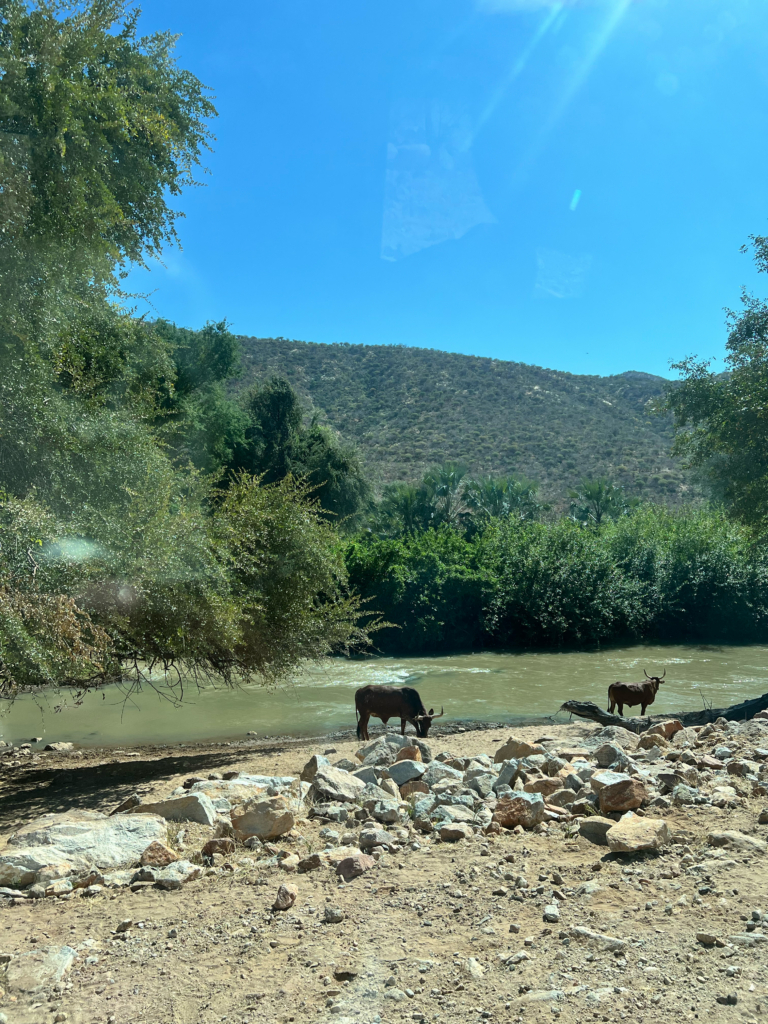
The Kunene River that divides Angola, left, and Namibia, right, © Amnesty International, 2025
At the ti
… [more]