Following years of advocacy by civil society organisations, journalists and activists, Lebanon has passed a new media law that introduces important human rights-based reforms, but falls short of bringing all the changes needed to ensure that the right to freedom of expression is respected, protected and fulfilled in the country, Amnesty International said today.
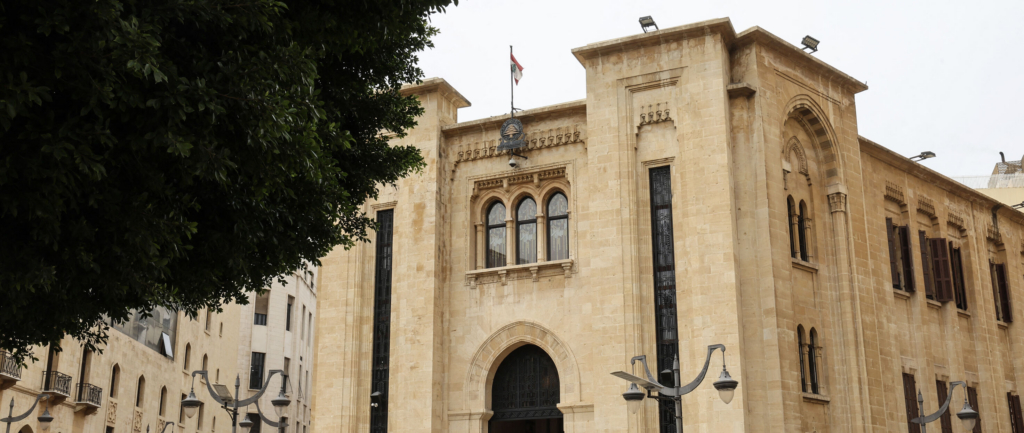
The Lebanese Parliament adopted a long-awaited Media Law on 11 August 2026 replacing outdated legislation from 1962 and 1994. The law published in the official gazette on 3 September, introduces several long-overdue safeguards for journalists, media workers and people exercising their right to freedom of expression online, including decriminalizing insults and defamation in some instances, introducing stronger protections for sources, prohibiting pretrial detention in media-related cases, restricting military court jurisdiction for such cases, and expanding protections for online expression.
However, parliament missed an opportunity to address other threats to the right to freedom of expression, including by retaining provisions in the Penal Code that carry prison sentences for protected speech such as “insulting” or defaming foreign states, and it also introduces new criminal offence for “false or harmful news”.
“After years of efforts by Amnesty International and other rights groups advocating legislative reform to protect expression in Lebanon, the new media law takes multiple steps forward, including by removing criminal penalties for certain insult and defamation offences and expanding protections for online speech. However, long-standing provisions in Lebanese law that criminalize protected expression remain on the books and could end up undermining progress towards decriminalization that parliament spent nearly years negotiating,” said Reina Wehbi, Lebanon campaigner for Amnesty International.
“In recent years, people in Lebanon that have published or written on controversial topics o
… [more]