Niger has rejected key recommendations raised by United Nations member countries during its Universal Periodic Review (UPR) earlier this year, including calls to address arbitrary detention, discrimination against lesbian, gay, bisexual and transgender (LGBT) people, and accountability for serious human rights violations.
The UPR is a UN Human Rights Council process in which the human rights records of member states are reviewed by other member countries every five years.
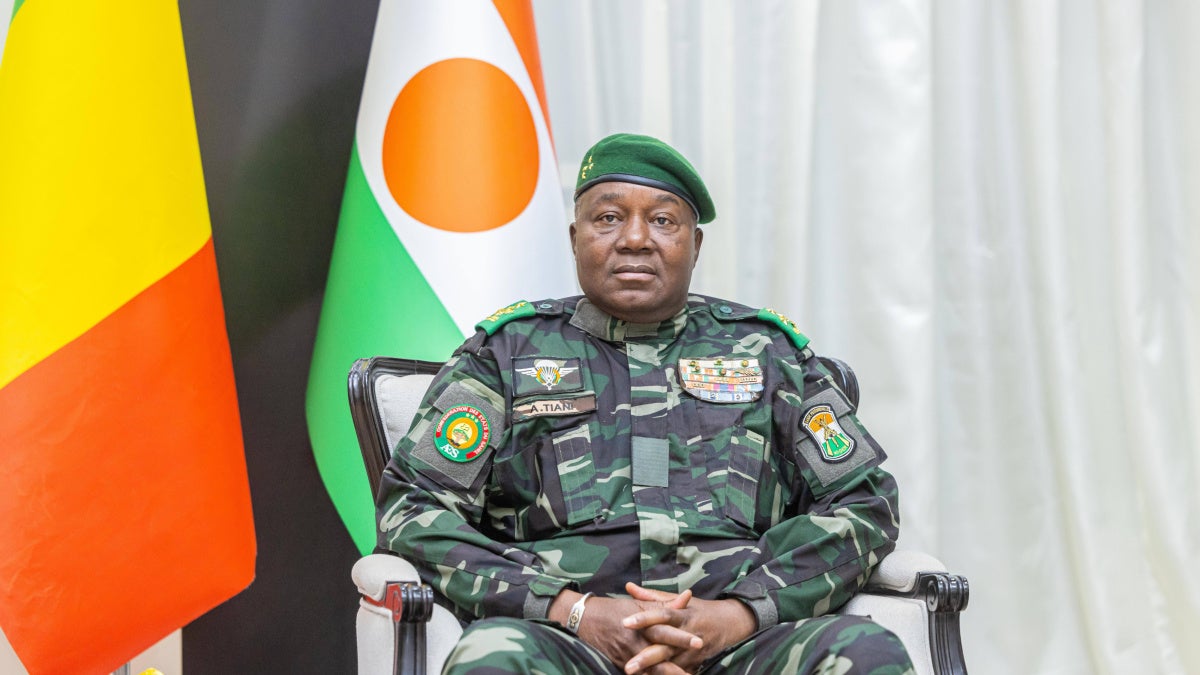
Gen. Abdourahamane Tiani of Niger attends the Alliance of Sahel States second summit on security and development, in Bamako, Mali, December 23, 2025.
On September 1, Niger’s military junta responded to the 265 recommendations made in May by 97 UN member countries and accepted 254 of them, including commitments to strengthen civilian protection and ensure security forces receive training on international human rights and humanitarian law.
The junta however rejected 11 recommendations addressing some of the country’s most pressing rights concerns, including to reverse its June decision to start the withdrawal process from the International Criminal Court (ICC). Leaving the ICC risks depriving victims of grave international crimes a last resort to seek justice and remedies.
The junta also rejected calls to release people held arbitrarily, including ousted President Mohamed Bazoum and his wife. The government said their cases fall exclusively under national jurisdiction and denied that anyone is arbitrarily detained. In February 2025, the UN Working Group on Arbitrary Detention found Bazoum and his wife’s detention was arbitrary and called for their immediate release. The Economic Community of West African States (ECOWAS) Court of Justice had reached a similar conclusion in December 2023.
Niger also rejected
… [more]

