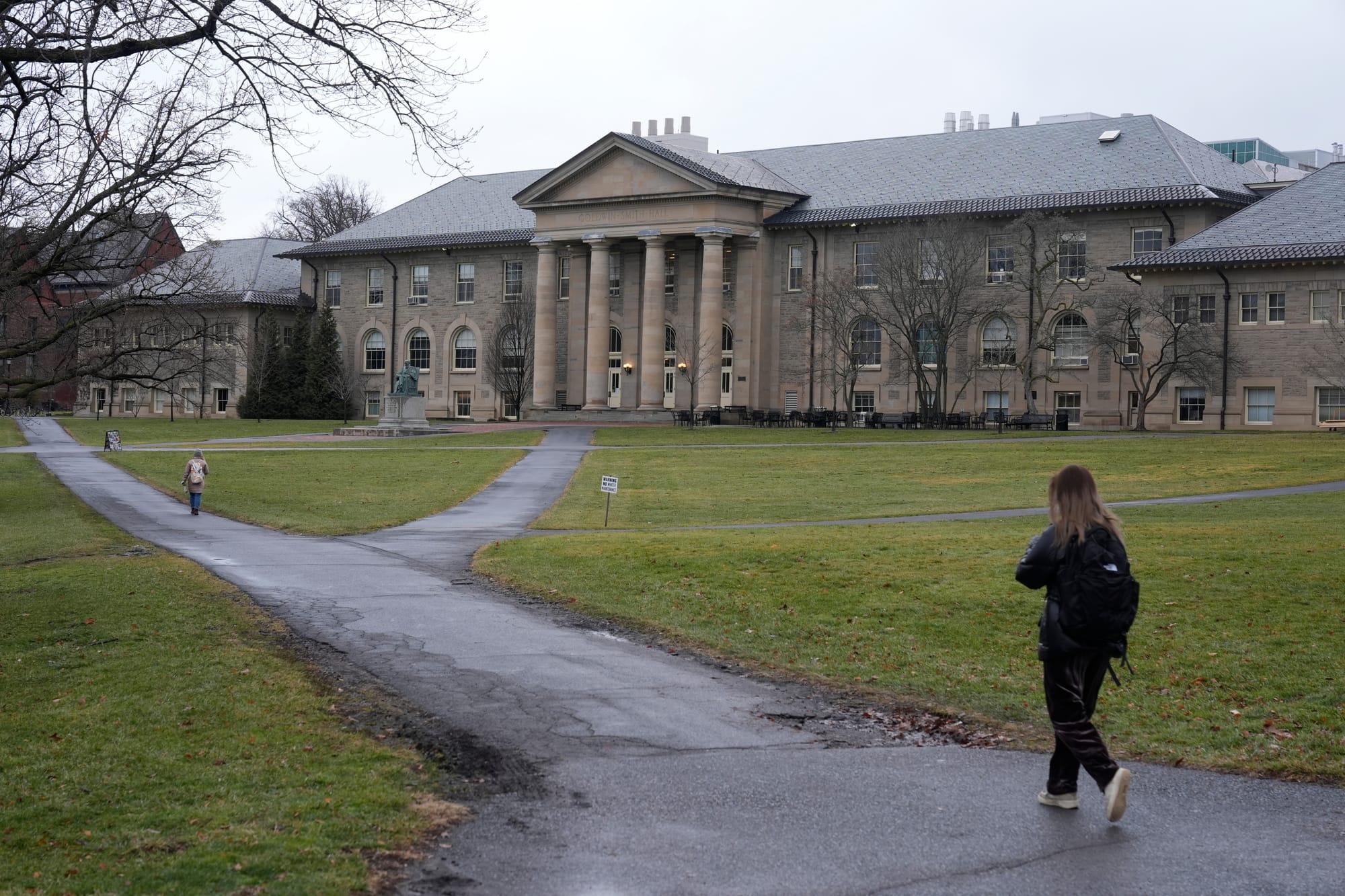
Student journalists meet the moment, as we’ve seen most recently this week. As the Cornell University sexual abuse case highlights the importance of student journalism, public records reveal how schools try to censor on-campus news outlets. Claire Woodcock talked to students and legal experts about how censorship from above impacts their work. “One of the biggest things we’ve certainly found with censors over the years is they want to be called everything but a censor,” one expert said. “What they’re doing is everything but censorship.”
Staff of The Alestle. Photo via Marie McMullan.
How Schools and Universities Try to Censor Student Journalists
Student journalists, their advisors, and legal advocates say colleagues and administrators are attempting to undermine student reporting on Jeffrey Epstein, Gaza, and other issues that public institutions would rather not have their reputations connected to.
Public records obtained by 404 Media show administrators taking meetings with parents and alumni when they take issue with student reporting and asking advisors to compromise their professional ethics. They also show escalating tensions between student newsroom staff and administrators, prompting more legal aid requests to advocacy groups.
This comes as student journalists at The Cornell Daily Sun earned recognition for
breaking the “Cornell Seven” story
regarding the
lawsuit filed in New York’s trial court
last month by a Jane Doe accusing current and former Cornell University students of drugging and sexual abuse. The student journalists told
The Cut
this week that a
vague university and campus police statement
from nearly two years ago prompted more questions than answers. Such is the basis for most accountability journalism on college campuses.
The cases we reviewed involved the phase of the reporting process that comes later, where a factual dispute the newsroom has defended or a complaint where the person doesn’t bother to explain what is allegedly wrong

Censorship & Information Control
Egypt detains entire newsroom of Matsadaash media platform
State security forces arrested an entire newsroom of six journalists from an investigative media platform, exemplifying authoritarian… [more]