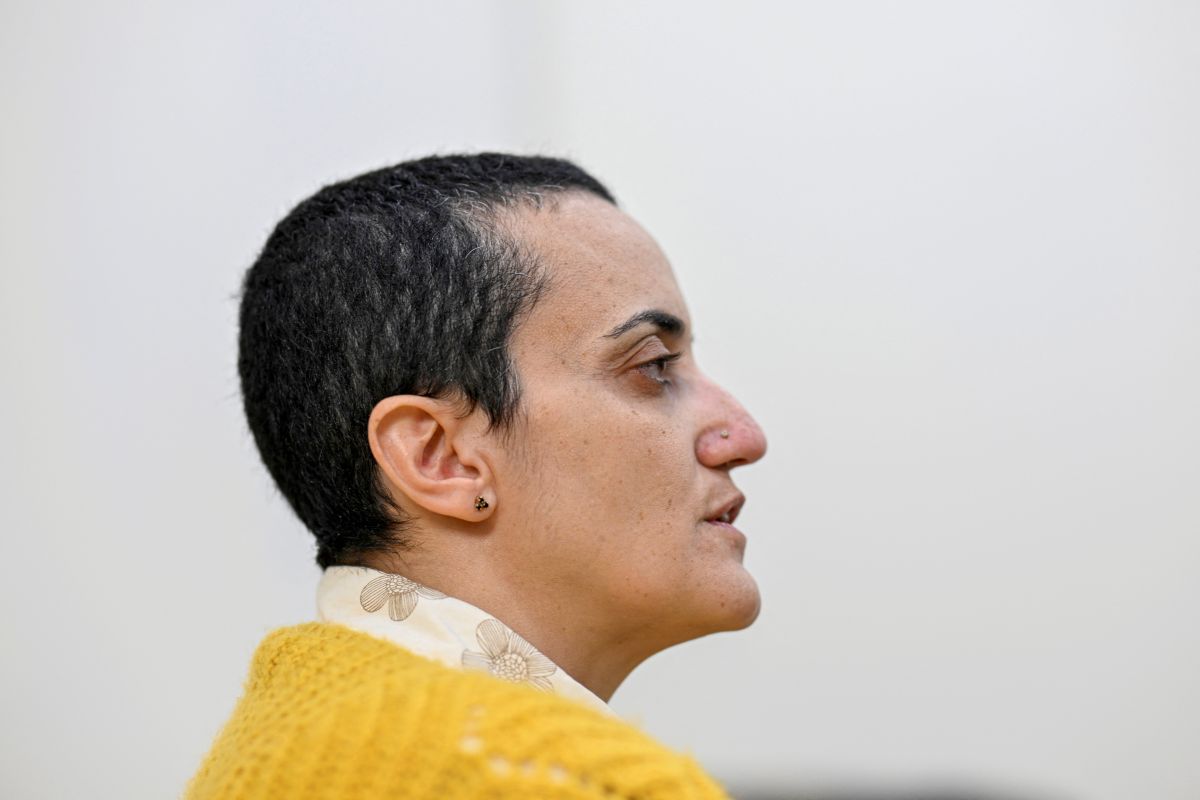
The conviction of Mada Masr Editor-in-Chief Lina Attalah highlights the persistent threat of how Egyptian authorities use licensing requirements, criminal penalties, and website blocking to silence independent journalism, despite constitutional guarantees of press freedom.
On October 27, in a trial marked by serious violations, the New Cairo Misdemeanor Court
ordered
the closure of Mada Masr, one of Egypt’s leading media outlets, fined Attalah 3 million Egyptian pounds (about US$54,000), and ordered the confiscation of its equipment for operating an unlicensed website. The outlet says it has repeatedly applied for a licence without success.
Egypt’s Supreme Judicial Council
rejected
allegations of procedural violations in Attalah’s trial and said she had waived her right to appeal, a claim the defense denies. The first appeal session is scheduled for November 25.
During her release procedures, Attalah also
learned
of an in absentia conviction issued against her in 2024, sentencing her to one year in prison on charges of disseminating false news and operating a website without a license. Her defense team has filed an objection to that judgment, and a hearing to review the case is scheduled for November 11.
Her case shows how Egypt has built and weaponized a series of laws to restrict, block, intimidate and jail journalists, and shut down media outlets.
Denied licenses and website shutdowns
Egypt’s Constitution
guarantees the right to establish newspapers by notification under Article 70 and prohibits their closure or confiscation under Article 71, except in wartime and general mobilization.
But
Media Law 180 of 2018
requires websites to obtain a license from the Supreme Council for Media Regulation (SCMR), or face the penalties imposed on Mada Masr.
“The verdict against Mada Masr shows how Egypt’s media law is used to restrict media work, turning notification into a system of permission in which the state controls who has the right to ru
… [more]